Opening a franchise can be an exciting path to business ownership, but before most franchisees can open their doors, they first need to secure financing.
Whether you’re applying for an SBA loan, working with a traditional bank, or exploring alternative financing options, lenders will almost always want to see financial projections that demonstrate how the franchise is expected to perform financially.
The challenge is that many aspiring franchisees have never built financial projections before — especially projections detailed enough to support a financing application.
That’s where understanding the Franchise Disclosure Document (FDD), particularly Item 19 and Item 10, becomes extremely important.
And it’s also where tools like StartSmart by Projection Genie can help simplify the process.
Why Financial Projections Matter When Applying for Franchise Financing
Lenders want to understand several key things before approving financing for a franchise:
- How much capital will be required to open the business
- Whether the business is expected to generate enough cash flow to cover expenses and debt payments
- How long it may take to reach profitability
- Whether the owner understands the financial realities of operating the franchise
- How much financial risk exists in the early stages of the business
Most lenders will require financial projections as part of the financing process so they can evaluate the franchise’s expected revenue, expenses, cash flow, and ability to repay debt. This helps them determine whether the business appears financially viable and capable of supporting the requested financing.
Understanding the Franchise Disclosure Document (FDD)
Before building projections, one of the most important documents you’ll review is the Franchise Disclosure Document (FDD).
The FDD is a legal document franchisors are required to provide to prospective franchisees. It contains detailed information about the franchise system, costs, fees, obligations, and sometimes financial performance information.
While the FDD contains many important sections, two areas are especially valuable when building financial projections:
- Item 19 — Financial Performance Representations
- Item 10 — Financing
What Is Item 19 in the FDD?
Item 19 is one of the most important sections for financial forecasting.
This section may contain financial performance representations (FPRs), which can include historical sales figures, average revenue, expense information, or performance data from existing franchise locations.
Not all franchisors provide Item 19 disclosures, but when they do, it can be incredibly valuable.
Item 19 may include information such as:
- Average gross revenue
- Median sales performance
- Revenue ranges between locations
- EBITDA or profitability information
- Cost structures
- Same-store sales growth
- Performance by geography or store type
This information can help franchisees create more realistic assumptions when forecasting revenue and expenses in StartSmart.
However, it’s important to understand that Item 19 data is not a guarantee of future performance.
Results can vary significantly based on:
- Location
- Competition
- Management quality
- Marketing effectiveness
- Staffing
- Economic conditions
- Owner involvement
Lenders know this — which is why they still expect franchisees to create thoughtful projections tailored to their specific situation.
What Is Item 10 in the FDD?
Item 10 focuses on financing arrangements.
This section explains whether the franchisor offers financing directly or has relationships with third-party lenders.
Item 10 may outline:
- Whether the franchisor finances franchise fees
- Equipment financing options
- Payment terms
- Required collateral
- Guarantees
- Relationships with preferred lenders
This section is important because it can help franchisees better understand potential financing structures and capital requirements before approaching lenders.
It can also provide insight into what lenders commonly expect from franchisees within that particular franchise system.
The Biggest Challenge: Turning FDD Information Into Financial Projections
Reading an FDD and translating it into financial projections are two very different things.
Many aspiring franchisees struggle with questions like:
- How do I estimate revenue realistically?
- What expenses should be included?
- How much working capital will I need?
- When will the business become profitable?
- What happens if sales are slower than expected?
- How much cash runway do I need?
Traditionally, this process often involves spreadsheets that can quickly become complicated, time-consuming, and difficult to maintain.
How StartSmart Helps Aspiring Franchisees Build Financial Projections
StartSmart by Projection Genie was designed to help aspiring business owners create financial projections with greater clarity and confidence — even without a finance background.
Instead of starting from blank spreadsheets, StartSmart simplifies the process by guiding users through a structured series of questions designed to help ensure all major financial areas are considered. As users move through the platform, StartSmart helps organize and calculate the key financial components lenders typically expect to see so you don't have to.
This can help franchisees:
- Estimate startup costs
- Model ongoing operating expenses
- Forecast revenue scenarios
- Understand projected cash flow
- Estimate runway and break-even timing
- Evaluate profitability potential
- Test different assumptions before approaching lenders
For franchisees specifically, StartSmart can help users take information gathered from the FDD — including Item 19 financial performance information and Item 10 financing details — and turn those inputs into structured financial projections.
How Franchisees Can Use Item 19 Data Inside Financial Projections
When Item 19 information is available, franchisees can use it to help guide assumptions such as:
Revenue Assumptions
If Item 19 provides average annual sales figures, franchisees can estimate monthly revenue trajectories based on ramp-up expectations.
For example:
- Slower first 6 months
- Gradual customer acquisition
- Seasonality considerations
- Local market differences
Expense Modeling
Item 19 sometimes includes operational expense data or profitability metrics.
This can help franchisees estimate:
- Labor costs
- Occupancy expenses
- Royalty fees
- Marketing contributions
- Cost of goods sold
- Operating margins
Sensitivity Analysis
One of the most important parts of forecasting is understanding risk.
Rather than relying on a single “best-case” forecast, franchisees should model multiple scenarios:
- Conservative case
- Expected case
- Aggressive growth case
This helps lenders see that you’ve considered different outcomes and understand the risks involved.
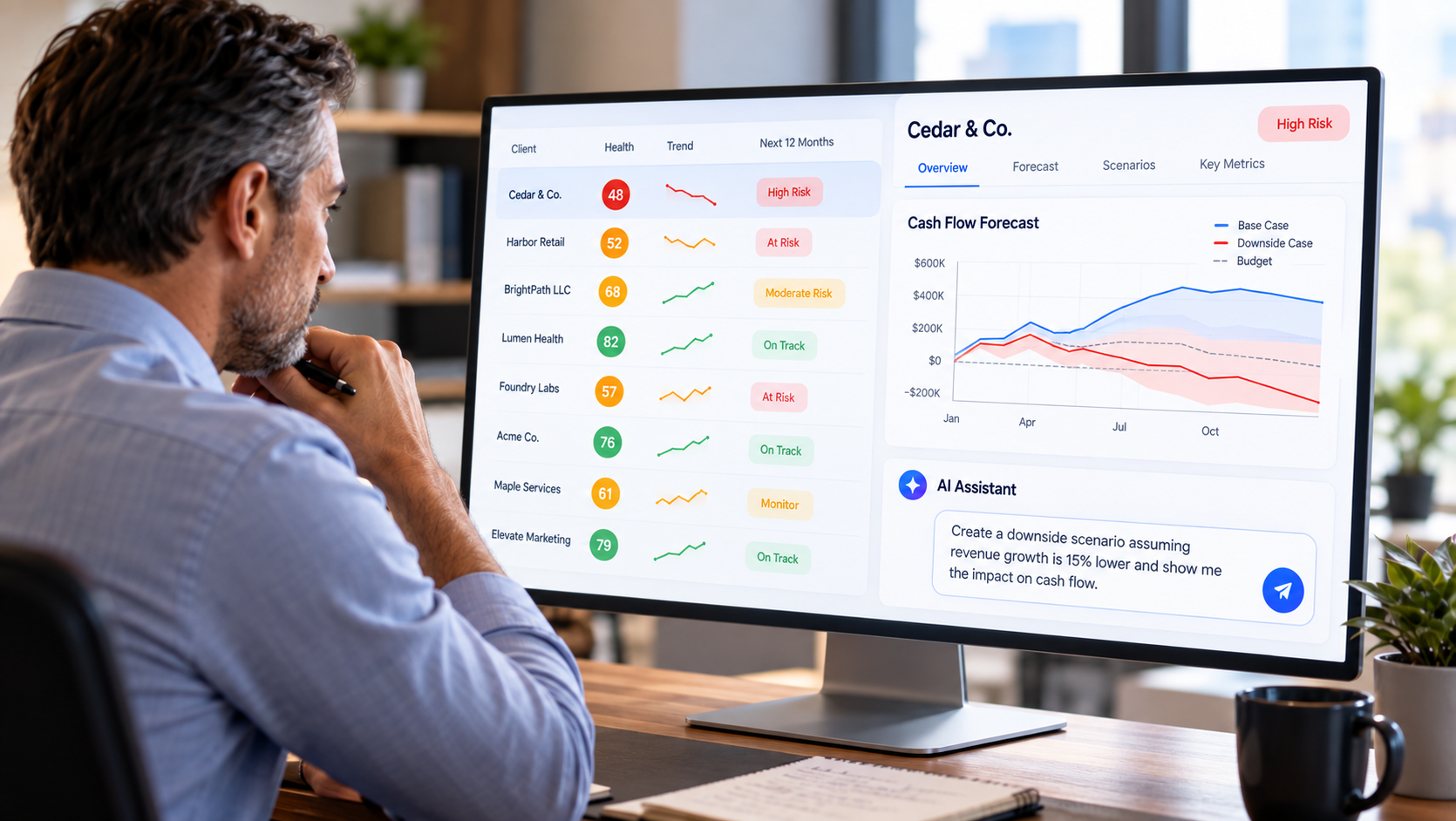
StartSmart by Projection Genie helps simplify this process by allowing users to test different assumptions and evaluate how changes in revenue, expenses, or startup costs may impact cash flow, profitability, and overall financial performance before approaching lenders.
What Lenders Typically Want to See
When evaluating franchise financing applications, lenders commonly look for:
- Realistic assumptions
- Clear startup cost estimates
- Adequate working capital
- Cash flow visibility
- Debt repayment ability
- Thoughtful contingency planning
- Professional presentation of projections
The goal is not necessarily to produce “perfect” forecasts.
The goal is to demonstrate that you understand the financial realities of the business, have taken a thoughtful approach to planning, and that the franchise is projected to generate enough cash flow to comfortably support operating expenses and repay the loan on time.
Before You Apply for Financing
Before approaching lenders, make sure you understand:
- The total capital required to open
- How long it may take to become cash flow positive
- Your expected operating expenses
- Your break-even timeline
- How sensitive the business is to slower-than-expected sales
- Whether you have sufficient working capital reserves
The more clearly you understand these financial dynamics ahead of time, the more confident and prepared you’ll be during the financing process.
Preparing for More Productive Conversations With Lenders
Securing financing for a franchise is often about more than just having a strong concept or recognizable brand name.
Lenders want confidence that the numbers make sense and that you can comfortably repay the loan.
The Franchise Disclosure Document — especially Item 19 and Item 10 — can provide valuable inputs for building financial projections, but franchisees still need a way to organize, model, and evaluate those assumptions effectively.
That’s where tools like StartSmart by Projection Genie can help by making it easier to build structured financial projections, evaluate financial viability, and prepare more informed financing discussions before approaching lenders.